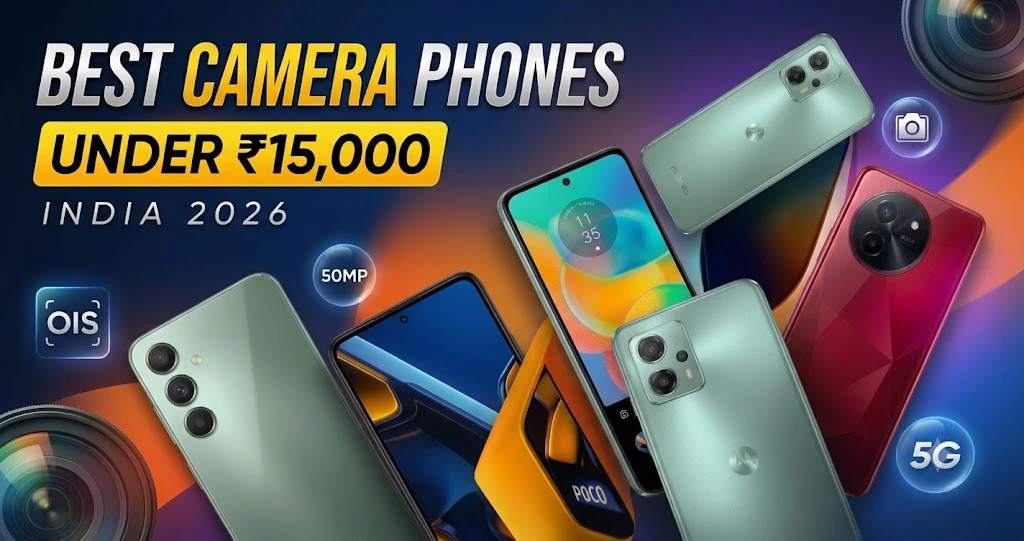
Best Camera Phones Under ₹15,000
Finding a good camera phone under ₹15,000 is easier than it used to be. Today, numerous affordable smartphones come equipped with 50-megapixel primary lenses, optical image stabilization (OIS), dedicated portrait settings, and capable low-light photography tools.
However, a higher megapixel count does not automatically mean better photos. Camera quality also depends on the sensor, lens, image processing, and stabilization technology.
In this guide, we compare camera features, practical benefits, and potential drawbacks to help you choose a smartphone that fits your budget. We also explain what to check before buying, so you can avoid paying extra for features that may not improve your photos.
Note: Smartphone prices, offers, and availability change frequently. Check the latest price of your preferred RAM and storage variant before purchasing.
Key Takeaways
- Look for OIS: Optical image stabilization can reduce blur caused by hand movement, especially when taking photos in low light.
- Choose useful camera hardware: A capable main camera and a good ultrawide lens can be more valuable than several basic auxiliary cameras.
- Don’t judge cameras by megapixels alone: Sensor quality and image processing also affect photo results.
- Pay attention to memory and storage: having enough physical RAM ensures smooth multitasking, while ample storage provides the space you need to keep all your photos, videos, and editing applications.
- Compare real camera samples: Check daylight photos, indoor portraits, night shots, selfies, and videos before making a decision.
Camera Phones Under ₹15,000: Models Worth Considering
The devices listed below are potential options for comparison, rather than a definitive, real-time ranking based on cost or imaging quality. Check current availability and pricing before including any model in your final shortlist.
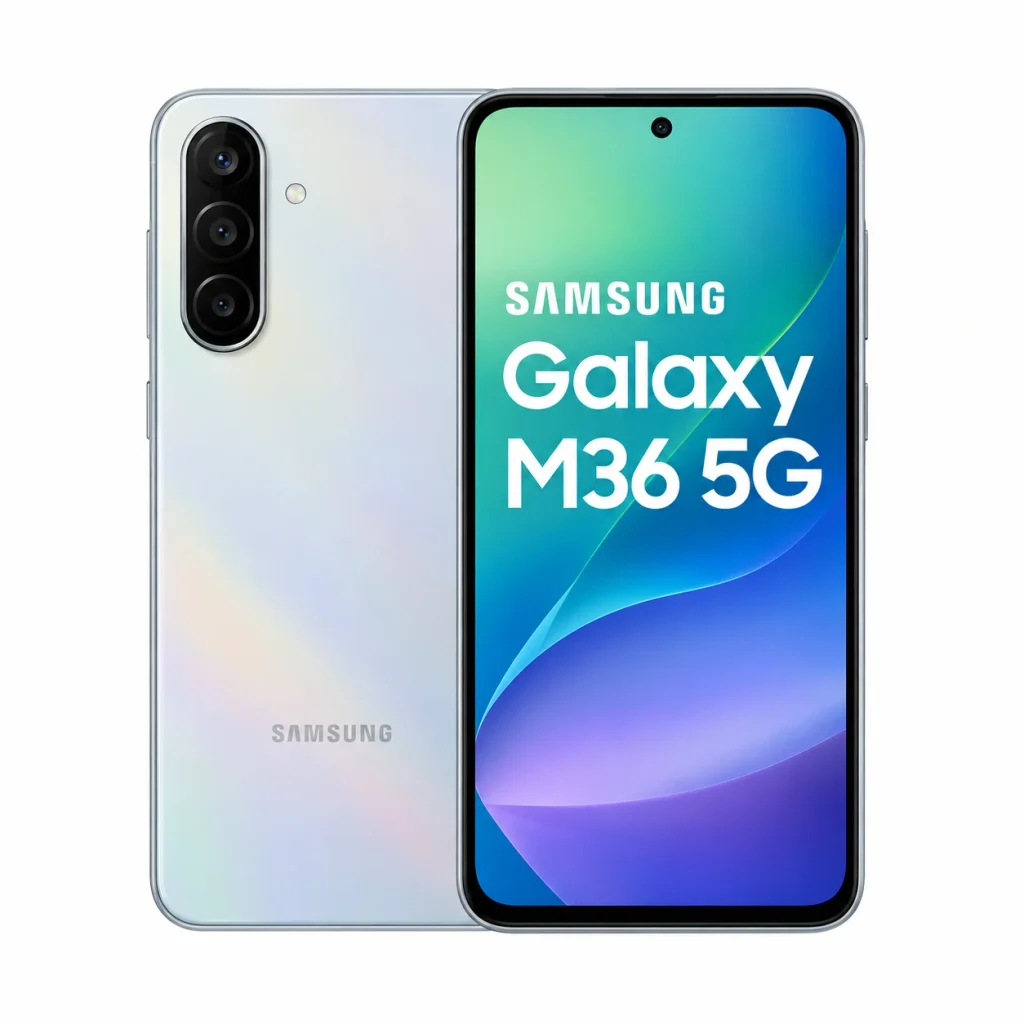
1. Samsung Galaxy M36 5G – Best for Camera Versatility
The Samsung Galaxy M36 5G is worth considering if you want a versatile rear camera setup with optical image stabilization and an ultrawide camera.
Camera specs:
- Rear cameras: 50MP main camera with OIS, 8MP ultrawide, and 2MP macro
- Front camera: 13MP
- Video: Supports up to 4K recording @30fps , according to the listed specifications
Key Specifications:
- Battery: 5,000 mAh with 25W fast charging support.
- Processor: Samsung Exynos 1380 octa-core chipset, with speeds up to 2.4 GHz.
- Display: 120 Hz FHD+ Super AMOLED
What makes it worth considering?
The main camera’s OIS can help reduce blur when shooting indoors or in dim lighting. The 8MP ultrawide camera also provides a wider field of view for landscapes, architecture, and group photos.
The phone may suit users who want more flexibility than a basic main-camera setup can offer. However, an ultrawide lens does not guarantee better image quality in every situation, so sample photos are worth checking.
Potential drawback: Its standard price may exceed ₹15,000. Consider it only if the specific variant falls within your budget through a verified current offer.
Best for: Buyers who want OIS, an ultrawide camera, and flexible photography options.
Disclaimer: Current prices and stock availability have not been independently verified, so you should confirm the exact Indian variant and its price on the manufacturer’s official website or with trusted retailers.
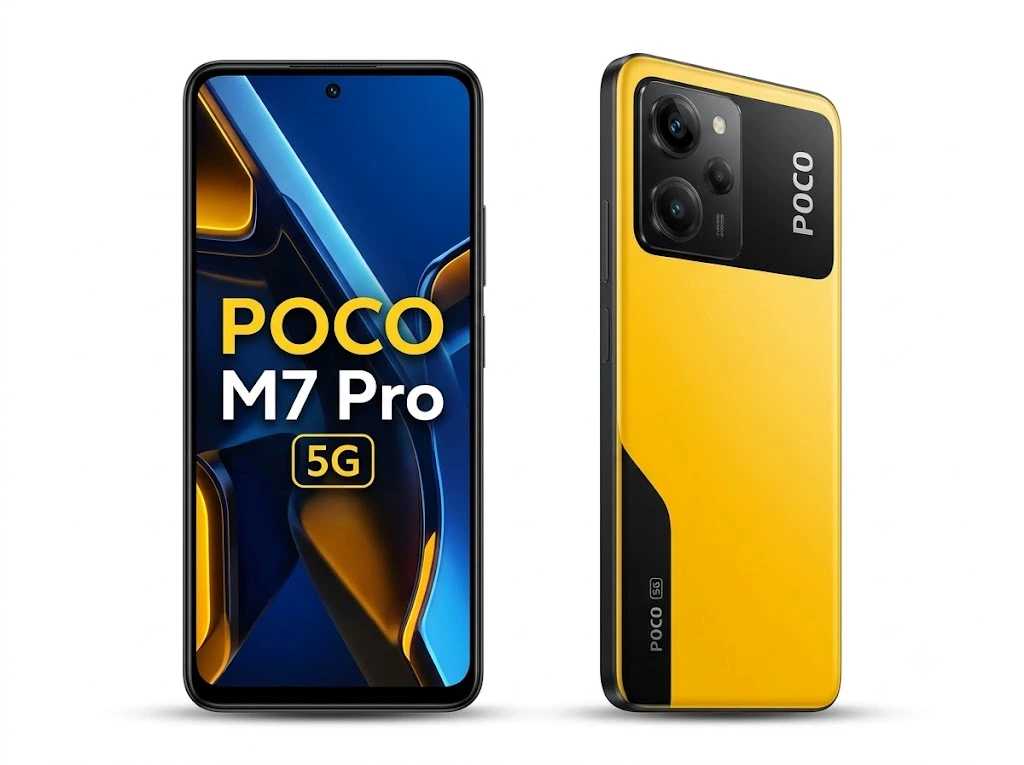
2. POCO M7 Pro 5G – Best for Camera and Display Balance
The POCO M7 Pro 5G is another model to compare if you want a stabilized main camera and an AMOLED display.
Camera specs:
- Rear cameras: 50MP main camera with OIS and 2MP depth sensor
- Front camera: 20MP
- Video support: Full HD 1080p recording at 30 fps on both front and rear cameras.
Key Specifications:
- Display: 120Hz FHD+ AMOLED
- Battery: 5,110 mAh battery with 45W fast charging support.
- Processor: MediaTek Dimensity 7025 Ultra octa-core chipset with speeds up to 2.5 GHz, built on a 6 nm process.
What makes it worth considering?
The main camera combines a high-resolution sensor with OIS, which can be helpful for everyday photography and low-light shots. The AMOLED display also provides a useful viewing experience when browsing photos or editing images on your phone.
The phone does not include a dedicated ultrawide camera. Therefore, it may be less suitable for users who regularly photograph large groups or wide landscapes.
Remember that a 120Hz display improves scrolling and visual smoothness, but it does not directly make the camera capture better photos.
Best for: Anyone needing a steady camera and a bright, fast-refreshing display.
Disclaimer: Current prices and stock availability have not been independently verified, so you should confirm the exact Indian variant and its price on the manufacturer’s official website or with trusted retailers.
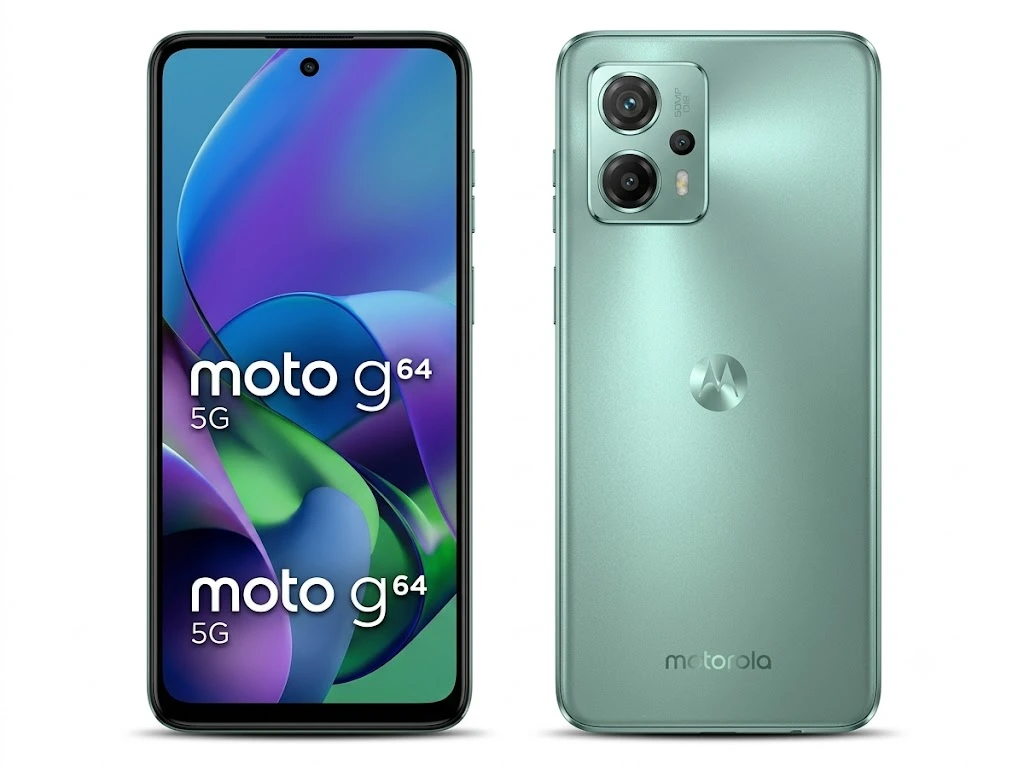
3. Motorola Moto G64 5G – Best for Main and Ultrawide Camera Options
The Moto G64 5G is worth checking if you prefer a straightforward Android experience and want more than one useful rear camera.
Camera specs:
- Rear cameras: 50MP main camera with OIS and 8MP ultrawide camera
- Front camera: 16MP
- Video recording: Up to 1080p @60 fps on the main rear camera; the front camera supports 1080p @30 fps.
Key Specification:
- Display : Full HD+(6.5″) IPS LCD| 120Hz refresh rate
- Battery: 6,000 mAh battery with 15W TurboPower fast charging.
- Processor: MediaTek Dimensity 7025 octa-core processor, with speeds up to 2.5 GHz, built on a 6 nm process.
What makes it worth considering?
The main camera includes OIS, which can help reduce blur in still photographs. The 8MP ultrawide camera gives you another perspective for landscapes, buildings, and group pictures.
The ultrawide camera can also support close-up photography, depending on its focusing capabilities. However, results will vary by subject and lighting, so avoid assuming it will always outperform a dedicated macro camera.
Motorola’s relatively clean Android interface may also appeal to people who prefer a less customized software experience.
Potential drawback: This is an older model, so check official website for current stock, software support, and the selling price before buying.
Best for: Buyers who want OIS, an ultrawide camera, and a large battery.
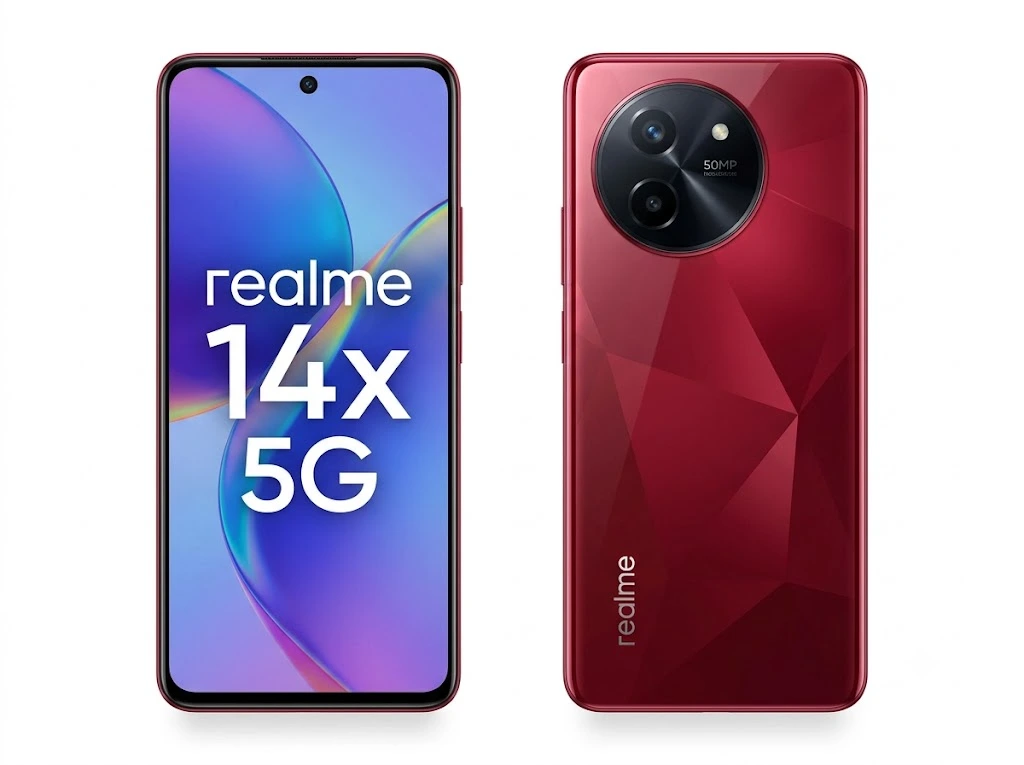
4. Realme 14x 5G – Best for Everyday Photography and Battery Life
The Realme 14x 5G is another option to consider if your priorities include everyday photography, 5G connectivity, and battery life.
Camera specs:
- Rear camera: 50MP main camera
- Front camera: 8MP
- Video recording: Up to 1080p @30fps on both rear and front cameras.
Key Specification:
- Display: 6.67-inch HD+LCD| 120Hz refresh rate
- Battery: 6,000 mAh battery with 45W SUPERVOOC fast charging support.
- Processor: MediaTek Dimensity 6300 5G octa-core chipset with speeds up to 2.4 GHz, built using a 6 nm process.
What makes it worth considering?
The 50-megapixel primary lens is highly capable of photographing daily life, from family gatherings and nature shots to casual social media updates. Realme’s camera software also offers standard image-processing features that can adjust the appearance of captured images.
However, this phone should not be treated as a specialist low-light photography option without supporting camera tests. Its listed specifications do not establish hardware OIS, and the final results depend on lighting, exposure, and software processing.
Its large battery is useful for users who take photos throughout the day and want fewer charging interruptions.
Best for: Buyers who want a budget-friendly 5G phone with a large battery and a basic everyday camera.
Disclaimer: Current prices and stock availability have not been independently verified, so you should confirm the exact Indian variant and its price on the manufacturer’s official website or with trusted retailers.
Comparison: Which Phone Should You Check First?
| Phone | Main camera | OIS | Ultrawide | Main consideration |
|---|---|---|---|---|
| Samsung Galaxy M36 5G | 50MP | Yes | Yes, 8MP | Check whether the price fits your budget |
| POCO M7 Pro 5G | 50MP | Yes | No | Main camera and AMOLED display |
| Moto G64 5G | 50MP | Yes | Yes, 8MP | Availability and software support |
| Realme 14x 5G | 50MP | Not listed in the reviewed specifications | No dedicated ultrawide listed | Battery life and everyday photography |
Specifications are summarized from the reviewed product information. Confirm the exact Indian variant on the manufacturer’s official website before publication. Current prices and stock have not been independently verified here.
Other Things to Consider Before Buying
Looking for a 5G Phone Under ₹15,000 With a 6,000mAh Battery?
A large battery can be useful if you regularly take photos, record videos, or travel without easy access to a charger.
The Samsung Galaxy F15 5G, Moto G64 5G, and Realme 14x 5G are models worth comparing for battery capacity and everyday camera use.
Before choosing one, check three things:
- Whether the battery capacity matches the official Indian specifications.
- Whether the phone’s current price fits your budget.
- Whether its camera quality is suitable for your needs.
A large battery does not automatically indicate better photography. Camera hardware and software still determine the quality of your images.
Is a 12GB RAM Mobile Under ₹15,000 Worth Buying?
If you use editing apps, switch between several applications, or keep many browser tabs open, additional RAM can be helpful.
However, 12GB of RAM is not essential for taking good photographs. A phone with 6GB or 8GB of physical RAM may be sufficient for everyday photography, depending on its processor and software.
Some manufacturers advertise expanded memory through virtual RAM. This feature uses part of the phone’s storage to support memory management, but it does not provide the same performance as an equivalent amount of physical RAM.
Before purchasing, check the phone’s actual RAM configuration rather than relying only on combined physical and virtual memory figures.
How to Choose a Good Camera Phone Under ₹15,000
1. Optical Image Stabilization (OIS)
OIS uses physical movement within the camera system to compensate for some hand movement.
It can help you capture sharper still photographs, particularly in low-light conditions where the camera may need a longer exposure. Some phones also combine OIS with electronic video stabilization.
However, OIS cannot eliminate every kind of blur. Moving people, fast action, and very poor lighting can still affect image quality.
2. Sensor Size and Lens Quality
A larger image sensor can generally collect more light when other factors are comparable. This can improve image quality in darker environments.
Lens quality also matters because the lens affects sharpness, light transmission, and other aspects of the image.
When comparing two phones, look for real photographs taken in similar lighting rather than choosing a camera based only on its megapixel rating.
3. Image Processing and the Processor
A smartphone’s image signal processor and camera software work together to produce the final photograph.
They help manage exposure, colors, noise reduction, HDR, and other image adjustments. A capable processor can support more advanced processing, but the chipset alone does not determine camera quality.
Software tuning and the quality of the camera hardware remain important.
4. Main Camera vs. Ultrawide Camera
The main camera is generally the most important camera for everyday photography.
An ultrawide camera is useful when you want to fit more of a scene into the frame, such as a large group or a landscape.
A depth sensor or basic macro camera may be less useful for some buyers, but its value depends on the phone’s implementation. Compare the results you can actually achieve instead of judging a camera only by the number of lenses.
5. Video Recording and Selfie Quality
If you create Instagram Reels, YouTube videos, or short travel clips, check more than the rear camera’s megapixel count.
Consider these features:
- Video resolution and available frame rates.
- Stabilization while recording video.
- Front-camera video quality.
- Microphone performance.
- Storage capacity and battery life.
A phone that records stable, clear video may be more useful for content creation than one that offers a higher megapixel count but weaker video performance.
How We Selected These Phones
This guide focuses on camera features that can make a practical difference to everyday users, including OIS, ultrawide photography, selfie cameras, battery capacity, and video recording.
We also considered the usefulness of each phone’s camera setup rather than treating a higher megapixel count as proof of better performance.
The listed models are candidates for further comparison, not the result of hands-on testing by our team. Before final publication, verify current prices and specifications using official manufacturer pages, and consult independent camera reviews with sample photographs where available.
Prices should be checked for the specific RAM and storage variant, with the date of verification recorded. Promotional discounts should not be treated as the regular selling price.
Final Verdict
Choosing the best camera phone under ₹15,000 depends on which features matter most to you.
The Samsung Galaxy M36 5G is worth considering for its OIS-equipped main camera and ultrawide lens, provided you can find the required variant within your budget.
The POCO M7 Pro 5G is another candidate if you prefer a stabilized main camera and an AMOLED display. Meanwhile, the Moto G64 5G offers OIS, an ultrawide camera, and a large battery, subject to availability and software-support considerations.
The Realme 14x 5G may suit buyers who prioritize battery life and everyday photography over advanced camera features.
Before making your final choice, compare recent camera samples, confirm the price, and check the official specifications. A well-balanced camera system is often a better investment than a phone selected solely for its megapixel count.
Frequently Asked Questions
1. Is OIS important in a phone under ₹15,000?
Yes. OIS can help reduce blur caused by hand movement, especially when taking still photographs in low light. However, it cannot prevent every kind of blur or guarantee perfectly stable video.
2. Is a 50MP camera good enough for everyday photography?
Yes. A 50MP camera can produce good photos for everyday use, including portraits, landscapes, and social media. Sensor quality, lens design, image processing, and lighting all affect the final result.
3. Which is better for phone photography: OIS or EIS?
OIS uses physical camera stabilization, while electronic image stabilization (EIS) uses software to compensate for movement. OIS can be particularly useful for low-light still photographs, while EIS is commonly used to stabilize video. Some phones combine both technologies.
4. Should I choose a 108MP camera over a 50MP camera?
Not necessarily. A 108MP camera can capture more image detail under suitable conditions, but megapixel count alone does not determine overall quality. Sensor size, lens quality, image processing, and lighting also matter.
5. Are camera phones under ₹15,000 good enough for Instagram and YouTube?
Yes. Many budget phones can produce suitable photos and videos for social media. If you plan to record frequently, check video stabilization, front-camera quality, microphone performance, battery life, and available storage.
Check This Also:
5 Best Smartwatches Under ₹3,000 in India: AMOLED Display and Bluetooth Calling
1 thought on “Best Camera Phones Under ₹15,000 in India for 2026”